Showing posts with label Calligraphy Letters. Show all posts

Thursday, February 21, 2013

Modern calligraphy

Modern calligraphy ranges from functional hand-lettered inscriptions and designs to fine-art pieces where the abstract expression of the handwritten mark may or may not compromise the legibility of the letters (Mediavilla 1996). Classical calligraphy differs from typography and non-classical hand-lettering, though a calligrapher may create all of these; characters are historically disciplined yet fluid and spontaneous, at the moment of writing (Pott 2006 and 2005; Zapf 2007 and 2006).

Modern calligraphy

Modern calligraphy

Modern calligraphy

Modern calligraphy


Modern calligraphy

Calligraphy continues to flourish in the forms of wedding and event invitations, font design/typography, original hand-lettered logo design, religious art, announcements/graphic design/commissioned calligraphic art, cut stone inscriptions and memorial documents. It is also used for props and moving images for film and television, testimonials, birth and death certificates, maps, and other works involving writing

Source: Wikipedia


Thursday, February 7, 2013

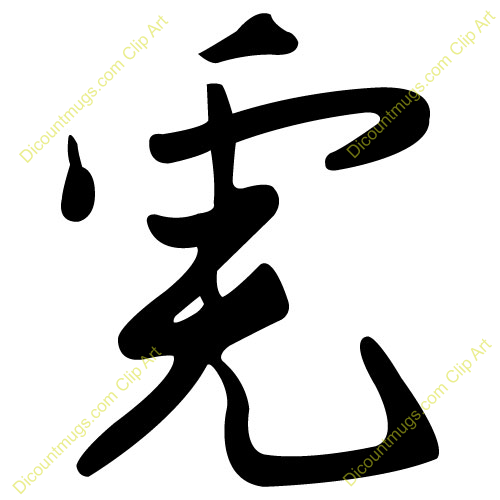
Eastern Asian calligraphy


First of all, the word ‘Calligraphy’ in Greek means beauty and writing and to express signs in the most beautiful way. Calligraphy in Asia is incredibility famous, people there not only use it as a art style but also as a way of communication like writing letters.


The art of calligraphy is widely practiced and revered in the East Asian civilizations that use or used Chinese characters. These include China, Japan, Korea, and to a lesser extent, Vietnam. In addition to being an art form in its own right, calligraphy has also influenced ink and wash painting, which is accomplished using similar tools and techniques. The East Asian tradition of calligraphy originated and developed from China, specifically the ink and brush writing of Chinese characters.

Sunday, December 30, 2012

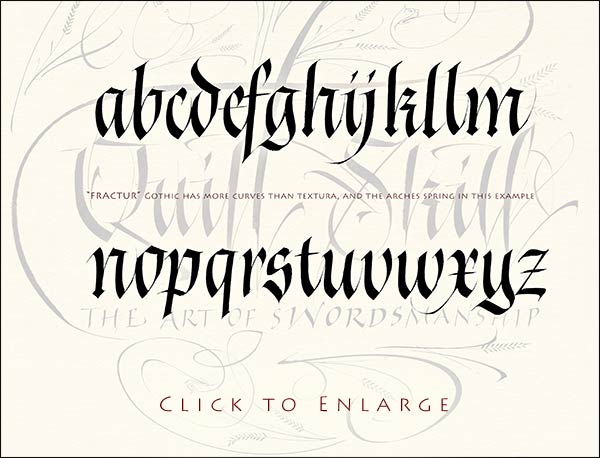
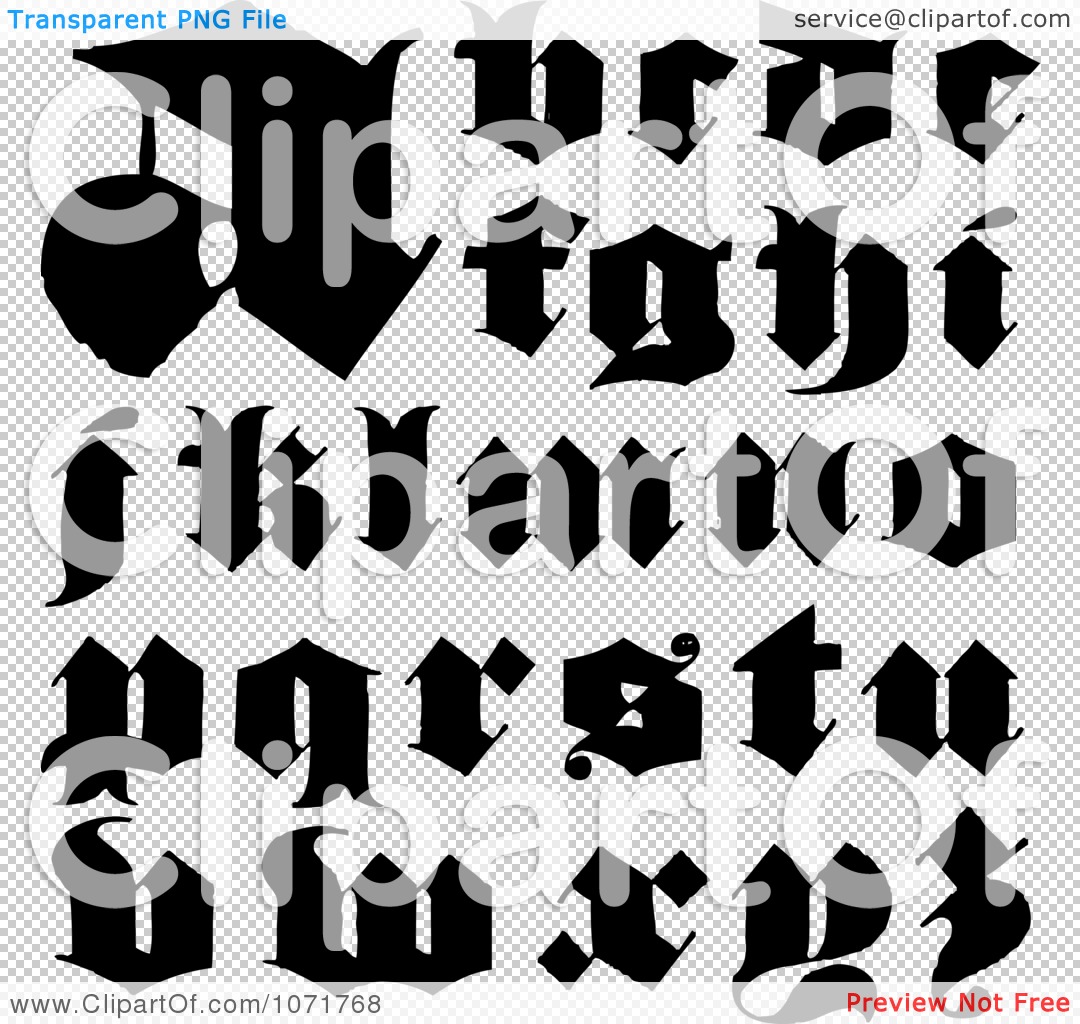
old english calligraphy alphabet


Old English calligraphy, also referred to as blackletter script, means "beautiful writing," derived from the Greek words "calli" and "graphien." The letters are made up of thin and thick strokes from a quill stylus dipped into a jar of ink. Calligraphy was the main way books were written before the invention of the printing press.


History
Old English calligraphy goes by different names, including blackletter and gothic. This type of calligraphy was adopted and transformed from the Chinese calligraphers of the east. Chinese calligraphy is done with an ink brush and in a flowing, artistic manner. Old English calligraphy was meant for books written by scribes on parchment and vellum. The link between Chinese calligraphy and Old English calligraphy comes from the Phoenicians, who are credited with the first alphabet and letter writing systems and passed their knowledge through travel to the Greeks. In turn the Greeks created their own writing style and by 850 BC the Romans had changed it to suit the spoken Latin language. As the Roman churches started spreading through Europe during the Middle Ages, so did the calligraphic writings.


Function
The purpose of Old English calligraphy came about to save on the cost of paper or parchment and vellum, which were expensive. Scribes who were monks worked in the scriptorium of the monasteries and thinned out the letters of calligraphy. This was done to allow more words on a single line. This type of Old English calligraphy lasted well past the Middle Ages until the onset of the printing press. Beautifully decorated books filled with Old English calligraphy were often biblical. As only monks and some high-ranking nobility were literate, these books were made for high-ranking church members as well as royalty.

calligraphy alphabet guide


Written in calligraphy, words appear to waltz across a page. But don't let the rythmic flourishes and old-world elegance of such lettering fool you. Calligraphy is easy to learn. All you need to do it are a few special tools and a bit of patient practice. Before long, you'll find making letters this way as comfortable as using your best penmanship.

There are numerous styles and methods of calligraphy. We selected copperplate script because of its sophisticated appearance and simple form. Begin with a pen, a nib, ink or gouache, a guide sheet, and paper. Dip the pen into the ink until the hole of the nib is nearly covered; tap the nib on the rim of the pot, then make a few strokes on scrap paper to eliminate any excess ink, which might cause blotches or drips. The goal is to use enough ink to make solid lines, but not so much that the lines bleed. When the nib begins to scratch the paper, it's time to redip your pen.


Refer to the diagrams above to learn how to create letters and numerals (If you click on the tiny image, a new window will open with a full-size printable page). Position the paper at an angle, with the pen's tip aligned with one of the diagonal lines on your guide sheet. This technique may take getting used to because, unlike cursive handwriting, calligraphy usually involves lifting the pen from the paper several times during the course of making each letter.

Thursday, December 20, 2012

There are some Calligraphy Letters


Scripts can be elegantly plain and may be embellished elaborately with ornate endings. They can bring a plain word to life and feast of divine beauty to the alphabet.

Both Scripts are Elegant, Graceful, and Divinely Romantic. Historically this fine art flourished during the Victorian and Romantic Eras.

Years ago the profession of a Master Penman was highly honored and of great nobility.
During the Victorian and Romantic Eras, America developed penmanship as an elegant and graceful fine art.


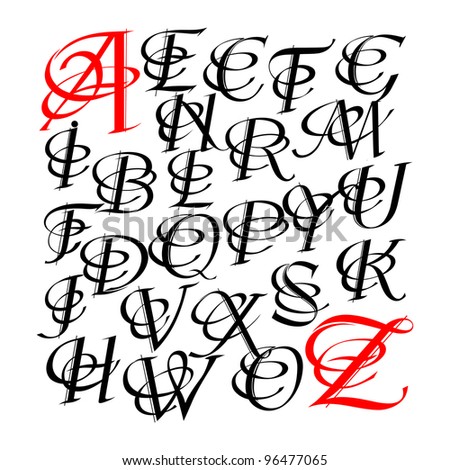
Calligraphic letters vector design


Calligraphy is an art form in which patience and attention to detail are more important than artistic talent. That means you don't have to be an "artist" to be good at calligraphy!


Calligraphy Letters


Calligraphy is the womb of letters, their place of origin, the place where new characters develop. Striving for emotional and graphic expressiveness of a sign was typical of the ancient writing tradition.

The art of beautiful writing is the link to our past, and given the attention it deserves, it can help to shape our future as the nation of a rich and artistic heritage.